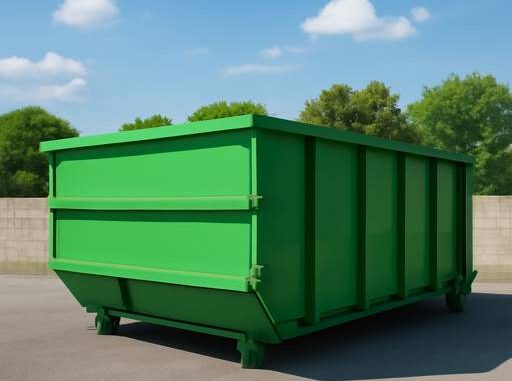
What a Garbage Dumpster Rental Solves: Projects, Materials, and the Right Size
A well-planned garbage dumpster rental turns cluttered jobsites and overwhelmed garages into clean, efficient work zones. Whether clearing a basement, replacing a roof, remodeling a kitchen, or managing debris from a full-scale demolition, a roll-off container keeps waste contained, schedule-friendly, and compliant with local disposal rules. The key is to match the container to the project’s debris type, volume, and access conditions so you avoid overages, delays, or hazardous overfilling.
Most residential and light-commercial projects fit into a size range from 10 to 40 cubic yards. A 10-yard dumpster is popular for small cleanouts, yard debris, or heavy materials like concrete and brick because it controls weight while remaining easy to place on tight driveways. A 15-yard suits single-room remodels, decluttering before a move, or small roofing projects. The 20-yard is often the sweet spot for multi-room renovations, medium roof tear-offs, and bulky furniture disposal, providing a blend of capacity and maneuverability. On construction and commercial sites, 30-yard and 40-yard dumpsters tackle large-scale demos, full-home renovations, and projects with steady debris generation.
Material type matters as much as size. Roofing shingles, for instance, are dense and can reach weight limits faster than expected; many pros prefer 20-yard containers to balance weight and volume. For concrete, asphalt, dirt, or brick, a smaller size such as a 10-yard is typically required to keep transport safe and legal. Mixed household junk is lighter, so a 15- or 20-yard can efficiently handle couches, mattresses, clothing, toys, and cardboard without hitting weight limits too soon. Yard waste—branches, leaves, and shrubs—packs unevenly; a mid-size container prevents overflow while allowing for safe loading below the rim.
Before you book, confirm what’s allowed. Most providers prohibit hazardous waste such as paints, solvents, fuels, batteries, and certain electronics. Appliances with refrigerants often require special handling. Ask about weight allowances, overage fees, and the fill line: debris must sit level, without spilling over the top, to ensure safe transport. Finally, evaluate delivery logistics—clear space, overhead clearance, and firm, level ground—to make sure the truck can place and retrieve the container without damaging property or blocking traffic.
Pricing, Permits, and Local Rules in Missouri Cities
Transparent pricing helps you budget with confidence. A straightforward roll-off dumpster rate typically bundles delivery, rental period, pickup, and a set tonnage allowance. You’ll pay extra only if you exceed the weight limit, extend the rental, need a swap-out, or add restricted items. Ask for a clear breakdown of all potential fees so your invoice matches your expectations. Smaller projects may benefit from a short rental window, while remodels or phased demolition might require longer timelines or multiple hauls. Scheduling pickup in advance prevents onsite pileups and keeps neighbors—and inspectors—happy.
Permits can be a deciding factor, especially in dense neighborhoods and downtown corridors. Across Missouri, placing a container on the street, sidewalk, or public right-of-way often requires a temporary permit from the city or county. In St. Louis and Kansas City, expect rules about placement distance from intersections, fire hydrants, and bus stops; reflective markings or cones may be required for visibility. Springfield and Columbia may have HOA overlaps that limit curbside placement hours or mandate protective measures to keep public spaces clear. Jefferson City and surrounding towns can require notification windows and proof of liability coverage when occupying municipal space.
If your driveway can handle the load, private placement usually avoids permits and speeds up delivery. For asphalt in warmer months, consider boards or plywood under the container’s contact points to minimize impressions. Confirm driveway slope and turning radius; roll-off trucks need room to maneuver and safely roll the container into place. When street placement is unavoidable, submit permit applications early—especially around university move-ins, festival seasons, or active construction corridors—when demand and review times rise.
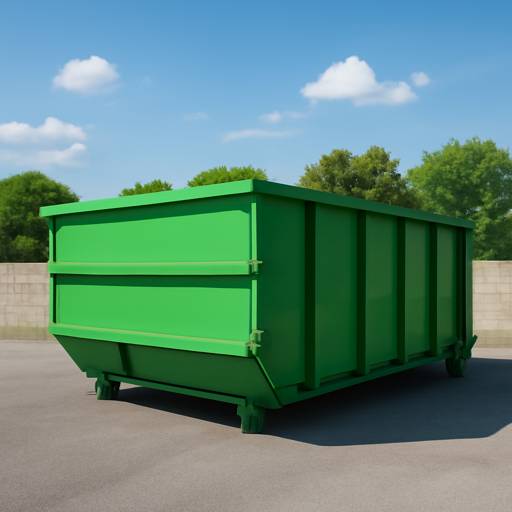
Local expertise pays off. Providers who routinely serve Missouri cities understand seasonal debris patterns—from spring storm cleanups to fall roofing rushes—and the disposal rules at area transfer stations and landfills. They’ll guide you on weight estimates for shingle tear-offs, direct you to concrete recycling options, and coordinate drop-offs in congested urban blocks or narrow historic districts. For region-specific details on service areas, sizes, and pricing, explore garbage dumpster rental resources tailored to Missouri regulations and neighborhoods.
Delivery Best Practices and Real-World Scenarios for Contractors and Homeowners
Successful garbage dumpster rental starts before the truck arrives. Clear at least 60–75 feet of space for placement and retrieval, accounting for overhead lines, tree limbs, and building eaves. Mark the spot with cones or chalk to keep cars from blocking the drop zone. Share gate codes and special instructions with dispatch, and confirm the preferred door orientation if you plan to walk debris in through the rear gate. On gravel or soft ground, stabilize the area to prevent ruts.
Loading technique influences safety, cost, and capacity. Distribute heavy debris evenly across the floor, placing densest materials first. Break down bulky items—cabinets, boxes, and brush piles—so they nest tightly and leave fewer air pockets. Keep materials under the fill line; tarping over-stuffed containers is not a substitute for safe loading and can lead to trip delays or rejections at pickup. If you’re working in stages—demolition, framing, then finishes—consider one larger container with a swap-out mid-project to maintain a clean, hazard-free site.
Case study: a roof tear-off in Springfield. A homeowner replacing 24 squares of asphalt shingles opts for a 20-yard container with a weight allowance calibrated to shingle density. The hauler places the dumpster near the garage with protective boards. Crew members use a chute to minimize scatter. By loading shingles first and saving lighter underlayment and packaging for last, the weight stays balanced and within limits, avoiding overage fees and an extra haul.
Case study: a Columbia whole-home cleanout before sale. Over years, the basement and attic filled with furniture, clothing, and small appliances. A 15-yard dumpster fits the driveway and local HOA timing rules. The family organizes items by room, flattening cardboard and donating usable goods before loading. Because the debris is comparatively light, volume—not weight—guides the choice. One container, a three-day rental, and clear instructions on prohibited items keep the process smooth.
Case study: a Kansas City bathroom-and-kitchen remodel. The contractor starts with a 10-yard for tile, broken drywall, and a cast-iron tub—prioritizing a safe weight profile—then swaps to a 20-yard during cabinet and countertop installation. Coordinated delivery windows and text alerts help the crew avoid downtime. With the drive sloped toward the street, boards under the bin and wheel chocks prevent movement, and the hauler confirms secure retrieval during a light rain.
Finally, consider sustainability. Many Missouri facilities divert concrete, asphalt, metal, and clean wood from landfills. Ask your provider about dedicated loads for heavy rubble to access lower tipping fees and maximize recycling. For contractors pursuing green building goals, documented diversion rates can support project benchmarks. With careful planning—right size, right spot, right schedule—a garbage dumpster rental keeps projects compliant, neighbors happy, and timelines intact, from St. Louis rehabs to Springfield storm cleanups and everything in between.

Lyon food scientist stationed on a research vessel circling Antarctica. Elodie documents polar microbiomes, zero-waste galley hacks, and the psychology of cabin fever. She knits penguin plushies for crew morale and edits articles during ice-watch shifts.
